Symptoms can include pain, stiffness, clicking, locking, or difficulty opening the mouth.
Assessment looks at jaw movement, bite relationship, muscle activity, and contributing factors such as clenching or grinding. Jaw symptoms often overlap with headaches, facial pain, and muscle tension, so care is planned with these connections in mind.
It refers to the jaw joints and surrounding muscles that control jaw movement.
Jaw discomfort, clicking, stiffness, limited opening, headaches, facial tension, ear discomfort, tinnitus (ear ringing), neck tension, or discomfort when chewing.
Yes — jaw issues can sometimes show up as ear-related symptoms like aching, fullness, or ringing (tinnitus). This is due to how closely the TMJ sits to the ear and shared nerve pathways. You might also notice mild dizziness or sensitivity in the area. Often, treating the jaw itself helps ease these symptoms. If you’re unsure, we can assess this during your visit and guide you through the most appropriate options.
TMJ problems can develop for a number of reasons, and often it’s a combination of factors. Common triggers include teeth grinding, clenching, bite misalignment, stress, or previous trauma to the jaw. Arthritis or habitual one-sided chewing can also contribute over time. Identifying the cause is key to finding lasting relief. If you’re unsure, we can assess this during your visit and guide you through the most appropriate options.
We start with a detailed discussion of your symptoms, followed by a clinical examination of your jaw movement, bite, and muscle comfort. You may also be checked for joint sounds like clicking or popping. If needed, imaging such as X-rays or scans can give us a clearer picture of the joint. This helps us fully understand what’s going on and plan the right approach for you. If you’re unsure, we can assess this during your visit and guide you through the most appropriate options.
Treatment depends on what’s causing your symptoms and how severe they are. Many patients improve with simple, non-invasive options like bite guards, physiotherapy, jaw exercises, or stress management techniques. In some cases, we may also address bite alignment or recommend targeted dental treatment. Surgery is rarely needed and only considered when other options haven’t worked. If you’re unsure, we can assess this during your visit and guide you through the most appropriate options.
Schedule a convenient appointment with our dental professionals and take the first step toward a healthier, brighter smile.
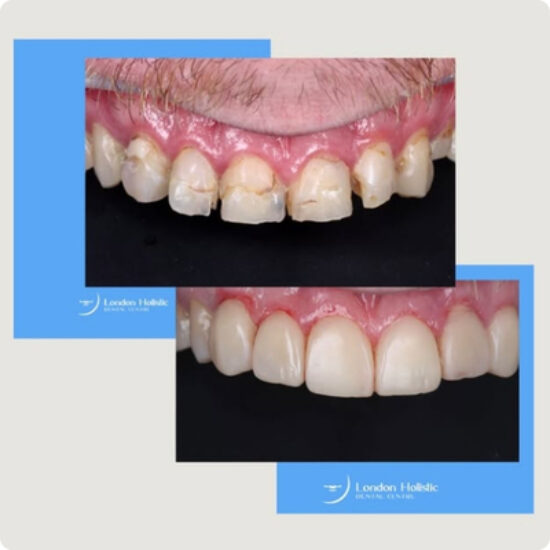
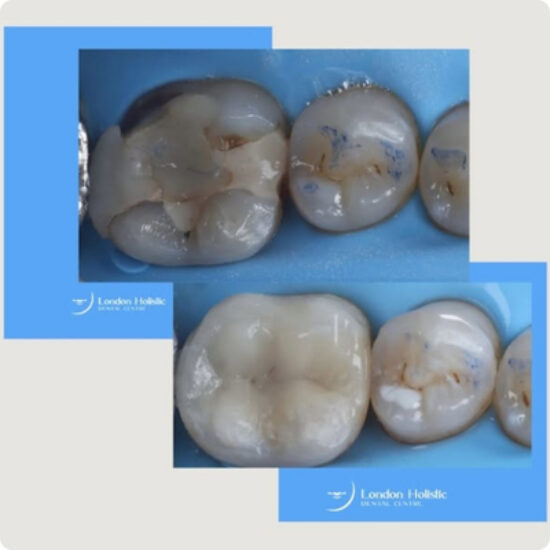
See how we’ve helped patients achieve healthy, confident smiles through personalised care, advanced treatments, and a compassionate, family-focused approach.
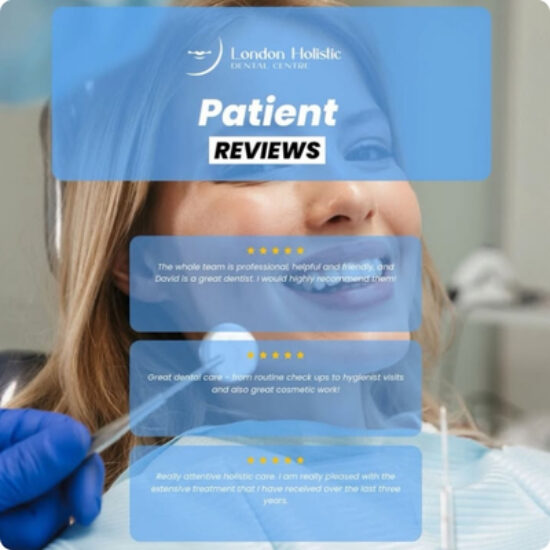
Discover MoreI had an excellent experience with Dr Nader Botros. From start to finish, the level of care and professionalism was outstanding. Dr Botros took the time to explain everything clearly and made sure I felt...
My partner and I love visiting the London Holistic Dental Centre and consider David to be a consummate professional with outstanding interpersonal skills and brilliant dentistry. He is supported by a friendly, well-chosen team within...
As a fellow dental practice, we have been very impressed with the standard of care provided by Dr Nader Botros and his team. Their approach clearly prioritises holistic, patient-centred dentistry, with a strong focus on...
Exceptional service. The whole team was very professional. I have been having many dental issues that have resulted in a lot of pain and frustration over time. Dr Nader Botros eased my anxiety and answered...
Dear David and team, Just a short note to say how delighted I am with the dentistry I have had. I am so pleased with the final results of the Invisalign treatment and would have...
I had an excellent experience with Dr Nader Botros. From start to finish, the level of care and professionalism was outstanding. Dr Botros took the time to explain...
My partner and I love visiting the London Holistic Dental Centre and consider David to be a consummate professional with outstanding interpersonal skills and brilliant dentistry. He is...
As a fellow dental practice, we have been very impressed with the standard of care provided by Dr Nader Botros and his team. Their approach clearly prioritises holistic,...
Exceptional service. The whole team was very professional. I have been having many dental issues that have resulted in a lot of pain and frustration over time. Dr...
Dear David and team, Just a short note to say how delighted I am with the dentistry I have had. I am so pleased with the final results...