Hormonal shifts may affect gum response, inflammation levels, and sensitivity, even where oral hygiene routines have not changed.
Oral health during pregnancy is assessed in the context of these changes, with an emphasis on prevention and stability. Maintaining healthy gums through regular hygiene care plays an important role during this time and helps reduce the risk of complications related to gum inflammation.
Hormonal changes can increase gum sensitivity and inflammation, sometimes leading to bleeding or discomfort.
Yes, dental treatment is generally safe during pregnancy, particularly in the second trimester when routine care is often most comfortable. We always take extra care with positioning, comfort, and any medications used to ensure everything is suitable for you. If urgent treatment is needed, it’s important not to delay, as infections can affect both you and your baby. If you’re unsure, we can assess this during your visit and guide you through the most appropriate options.
Hormonal changes during pregnancy can make your gums more sensitive, leading to inflammation or bleeding more easily. Keeping your gums healthy helps reduce discomfort and lowers the risk of pregnancy gingivitis and more advanced gum disease. Good gum health is also an important part of your overall well-being during this time. If you’re unsure, we can assess this during your visit and guide you through the most appropriate options.
Yes, continuing with regular hygiene visits is strongly recommended during pregnancy. Professional cleaning helps remove plaque and tartar that daily brushing can miss, keeping your gums healthier and more comfortable. We can also tailor advice and products to suit your changing needs during pregnancy. If you’re unsure, we can assess this during your visit and guide you through the most appropriate options.
Yes, some patients notice increased sensitivity during pregnancy due to hormonal changes and gum changes. This can make teeth feel more reactive to hot, cold, or sweet foods. Morning sickness can also contribute to temporarily weakening enamel. If you’re unsure, we can assess this during your visit and guide you through the most appropriate options.
Yes, exposure to stomach acid can gradually wear down enamel, making teeth more sensitive or prone to decay. It’s better to rinse your mouth with water or a fluoride mouthwash after sickness, and avoid brushing straight away. Simple protective habits can make a big difference in keeping your teeth healthy during pregnancy. If you’re unsure, we can assess this during your visit and guide you through the most appropriate options.
Good daily care is key during pregnancy—brush twice a day with fluoride toothpaste and clean between your teeth regularly. A balanced diet and limiting sugary snacks will also help protect your teeth and gums. Staying hydrated and rinsing after vomiting or snacking can further reduce acid and plaque buildup. If you’re unsure, we can assess this during your visit and guide you through the most appropriate options.
Schedule a convenient appointment with our dental professionals and take the first step toward a healthier, brighter smile.
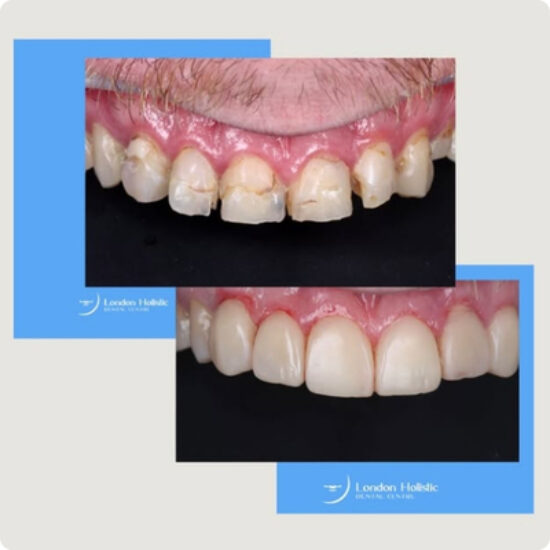
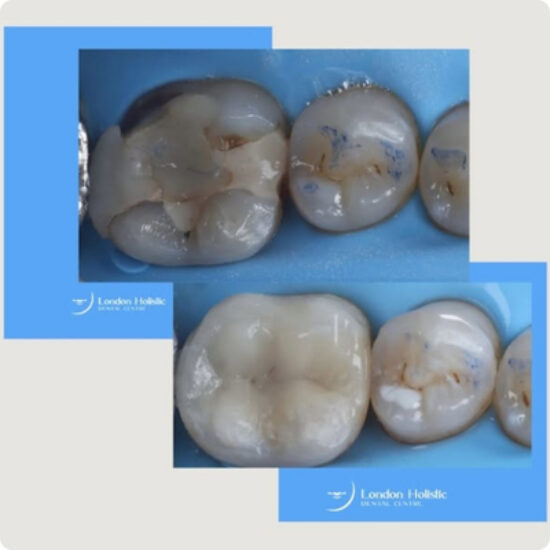
See how we’ve helped patients achieve healthy, confident smiles through personalised care, advanced treatments, and a compassionate, family-focused approach.
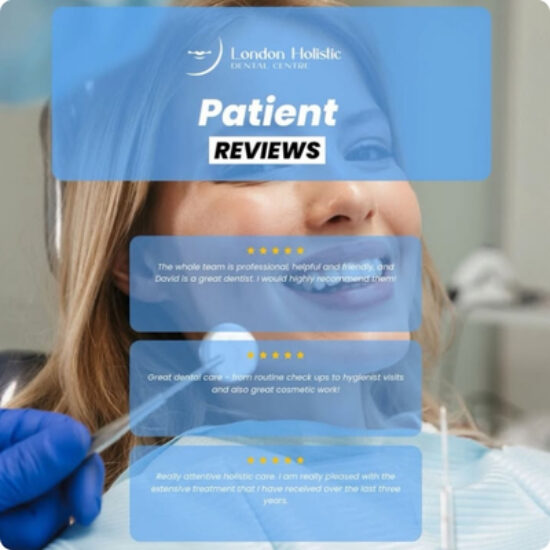
Discover MoreI had an excellent experience with Dr Nader Botros. From start to finish, the level of care and professionalism was outstanding. Dr Botros took the time to explain everything clearly and made sure I felt...
My partner and I love visiting the London Holistic Dental Centre and consider David to be a consummate professional with outstanding interpersonal skills and brilliant dentistry. He is supported by a friendly, well-chosen team within...
As a fellow dental practice, we have been very impressed with the standard of care provided by Dr Nader Botros and his team. Their approach clearly prioritises holistic, patient-centred dentistry, with a strong focus on...
Exceptional service. The whole team was very professional. I have been having many dental issues that have resulted in a lot of pain and frustration over time. Dr Nader Botros eased my anxiety and answered...
Dear David and team, Just a short note to say how delighted I am with the dentistry I have had. I am so pleased with the final results of the Invisalign treatment and would have...
I had an excellent experience with Dr Nader Botros. From start to finish, the level of care and professionalism was outstanding. Dr Botros took the time to explain...
My partner and I love visiting the London Holistic Dental Centre and consider David to be a consummate professional with outstanding interpersonal skills and brilliant dentistry. He is...
As a fellow dental practice, we have been very impressed with the standard of care provided by Dr Nader Botros and his team. Their approach clearly prioritises holistic,...
Exceptional service. The whole team was very professional. I have been having many dental issues that have resulted in a lot of pain and frustration over time. Dr...
Dear David and team, Just a short note to say how delighted I am with the dentistry I have had. I am so pleased with the final results...