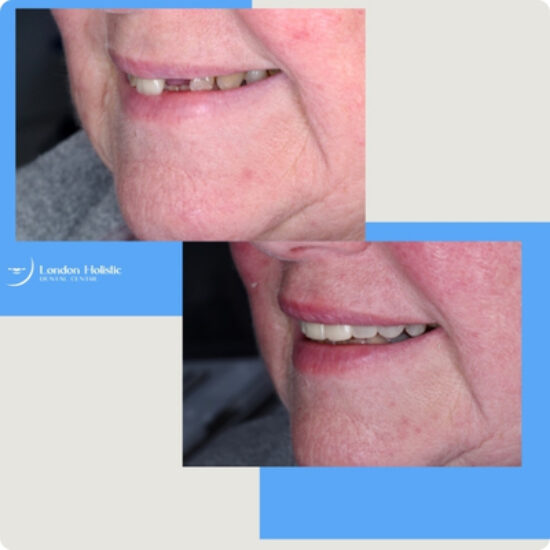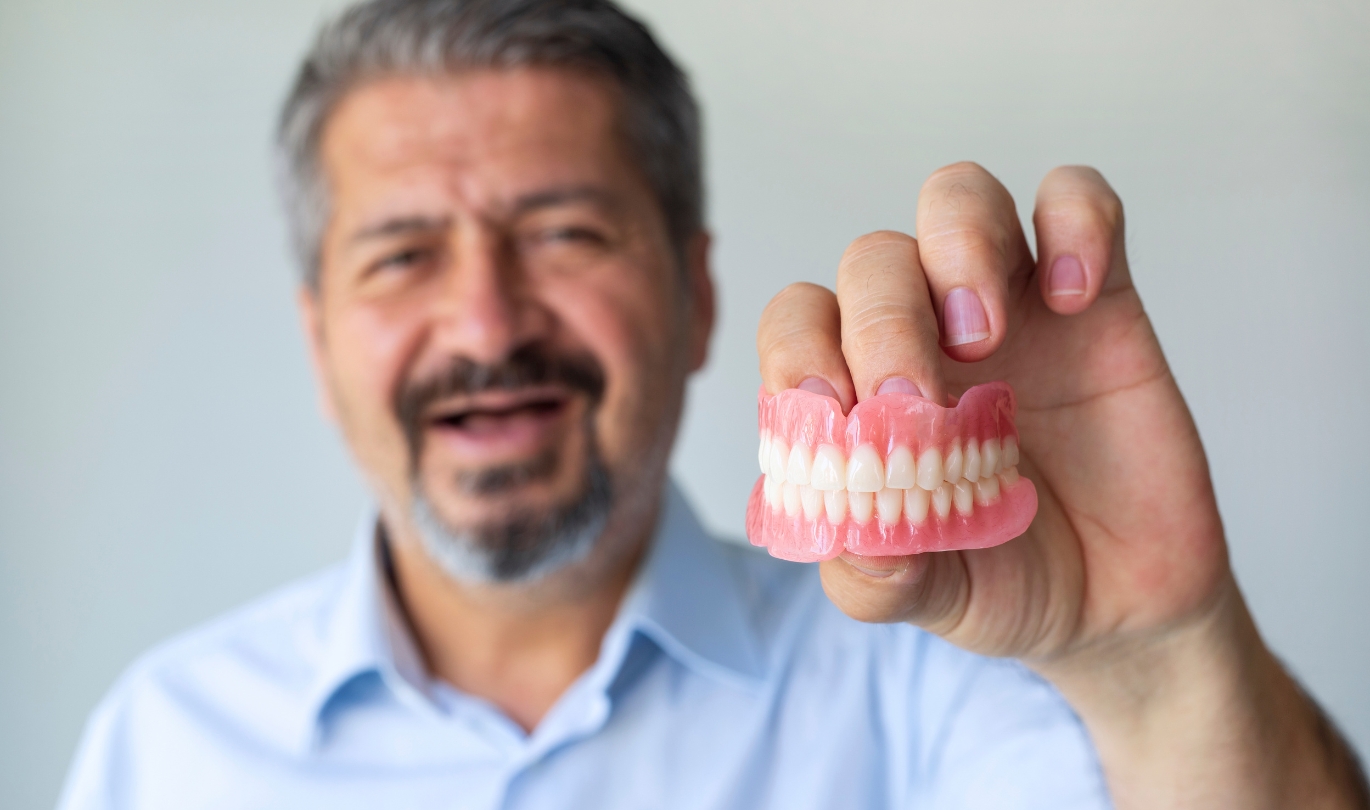
They may be conventional, resting on the gums, or retained by dental implants for added stability.
Dentures are planned following assessment of the mouth, remaining teeth, and supporting tissues. Design is guided by comfort, function, and long-term predictability, with consideration given to how the denture will be used day to day.
Conventional dentures sit on the gums. Implant-retained dentures are secured using dental implants to improve stability.
Dentures are typically recommended when you’re missing several teeth or a full arch, often due to decay, gum disease, or trauma. They help restore everyday functions like chewing and speaking, while also supporting a more natural facial appearance. Conventional dentures offer a non-surgical option, while implant-retained dentures provide added stability and confidence. If you’re unsure, we can assess this during your visit and guide you through the most appropriate options.
Treatment usually involves a few carefully planned appointments to ensure everything fits comfortably and looks natural. Conventional dentures tend to require multiple visits for impressions, try-ins, and final fitting. Implant-retained options involve additional stages, including implant placement and healing time before the final denture is secured. If you’re unsure, we can outline a clear treatment timeline during your consultation.
Modern dentures are designed to be much more comfortable and natural-feeling than many people expect. It can take a short adjustment period while your mouth adapts, and mild irritation is sometimes experienced initially. We’ll fine-tune the fit during follow-up visits to make sure everything feels secure and comfortable. If you’re unsure, we can make adjustments to help you feel at ease as quickly as possible.
Yes — implant-retained dentures are generally much more stable as they’re anchored directly to dental implants in the jaw. This helps reduce movement when eating or speaking, giving you greater confidence day to day. They also help support bone health and facial structure over time. If you’re unsure, we can discuss whether implants are suitable for your specific needs.
Conventional dentures usually last around 5 to 8 years, while implant-retained dentures can last longer with good care. Over time, natural changes in your gums and jaw may mean adjustments or relining are needed. Regular check-ups help ensure everything continues to fit comfortably and function properly. If you’re unsure, we can review your dentures and advise on expected longevity during your visit.
Daily care is simple but important to keep your dentures clean and comfortable. They should be removed overnight and soaked in a special cleaning solution to maintain hygiene and prevent staining. A soft brush is better for cleaning, avoiding regular toothpaste, as it can be too abrasive. If you’re unsure, we can show you the correct care routine step by step during your appointment.
Schedule a convenient appointment with our dental professionals and take the first step toward a healthier, brighter smile.
See how we’ve helped patients achieve healthy, confident smiles through personalised care, advanced treatments, and a compassionate, family-focused approach.
Discover MoreI had an excellent experience with Dr Nader Botros. From start to finish, the level of care and professionalism was outstanding. Dr Botros took the time to explain everything clearly and made sure I felt...
My partner and I love visiting the London Holistic Dental Centre and consider David to be a consummate professional with outstanding interpersonal skills and brilliant dentistry. He is supported by a friendly, well-chosen team within...
As a fellow dental practice, we have been very impressed with the standard of care provided by Dr Nader Botros and his team. Their approach clearly prioritises holistic, patient-centred dentistry, with a strong focus on...
Exceptional service. The whole team was very professional. I have been having many dental issues that have resulted in a lot of pain and frustration over time. Dr Nader Botros eased my anxiety and answered...
Dear David and team, Just a short note to say how delighted I am with the dentistry I have had. I am so pleased with the final results of the Invisalign treatment and would have...
I had an excellent experience with Dr Nader Botros. From start to finish, the level of care and professionalism was outstanding. Dr Botros took the time to explain...
My partner and I love visiting the London Holistic Dental Centre and consider David to be a consummate professional with outstanding interpersonal skills and brilliant dentistry. He is...
As a fellow dental practice, we have been very impressed with the standard of care provided by Dr Nader Botros and his team. Their approach clearly prioritises holistic,...
Exceptional service. The whole team was very professional. I have been having many dental issues that have resulted in a lot of pain and frustration over time. Dr...
Dear David and team, Just a short note to say how delighted I am with the dentistry I have had. I am so pleased with the final results...